
VR Headsets VIVE: Complete 2025 Buyer’s Guide
Choosing the right VR headset in 2025 can feel overwhelming. This guide is for VR enthusiasts, enterprise buyers, and developers considering a VIVE headset in 2025. With Meta’s Quest 3 dominating mainstream conversations, you might wonder where HTC VIVE fits into the picture. The answer? VIVE remains a powerhouse for high-end PCVR (PCVR = PC-based Virtual Reality, requiring a computer to run VR content), enterprise applications, and anyone who demands the best experience in tracking precision and ecosystem flexibility.
With rapid changes in VR technology, understanding the strengths and differences of VIVE headsets is crucial for making an informed purchase. This guide covers all major VR headsets from HTC VIVE in 2025, helping you understand which device matches your needs, budget, and use case—whether you’re a sim racer chasing immersive realism, an enterprise buyer outfitting a training lab, or a developer building the next fantastic VR content experience. Each new generation of VIVE headsets, such as the VIVE Pro 2, brings significant improvements in resolution, field of view, and overall user experience. The new Vive models, including the Vive Pro 2 and Vive Focus 3, feature advanced specifications and cutting-edge features, making them top choices for professional, enterprise, and immersive applications.
Quick answer: Are VIVE headsets worth it in 2025?
HTC’s VIVE lineup remains highly relevant in 2025, particularly for users who prioritise tracking accuracy, enterprise-grade features, and PCVR performance. While Quest 3 dominates the casual consumer market with its accessible price and standalone convenience, VIVE headsets carve out a strong position for serious enthusiasts and professional deployments.
Here’s a quick at-a-glance comparison of current VIVE models. If you’re interested in experiencing these VR models or attending themed events, consider Apsis VR’s event offerings in Melbourne.
Certain VIVE headsets, such as the Pro 2 Full Kit, are sold alongside accessories like base stations and controllers to provide a complete package for users.
Key insight on tracking: Base-station tracking (available on VIVE Pro, Pro 2, and Cosmos Elite) remains the gold standard for precise room-scale PCVR experiences. Standalone models like the Focus series and XR Elite target mobile and enterprise needs with inside-out tracking. (6DoF = six degrees of freedom, meaning the headset tracks both position and rotation in 3D space.)
Who should buy VIVE:
- Serious sim gamers, location-based VR operators, and enterprise training labs benefit most from VIVE’s ecosystem.
- Casual home gamers on a budget are often better served by Quest 3’s value proposition and content library.
VIVE Pro 2
Best for: Sim racers, VR arcades, professionals
Price: $1,200–$2,100 AUD
VIVE XR Elite
Best for: Power users, MR (mixed reality) developers
Price: $1,749 AUD
VIVE Focus 3
Best for: Enterprise training, business
Price: $2,000 AUD
VIVE Focus Vision
Best for: Enterprise and gaming hybrid
Price: $1,600+ AUD
VIVE Cosmos Elite
Best for: PCVR gamers (legacy)
Price: $700–$900 AUD
VIVE Flow
Best for: Casual media, wellness
Price: $500–$650 AUD
Certain VIVE headsets, such as the Pro 2 Full Kit, are sold alongside accessories like base stations and controllers to provide a complete package for users.
Key insight on tracking: Base-station tracking (available on VIVE Pro, Pro 2, and Cosmos Elite) remains the gold standard for precise room-scale PCVR experiences. Standalone models like the Focus series and XR Elite target mobile and enterprise needs with inside-out tracking. (6DoF = six degrees of freedom, meaning the headset tracks both position and rotation in 3D space.)
Who should buy VIVE:
- Serious sim gamers, location-based VR operators, and enterprise training labs benefit most from VIVE’s ecosystem.
- Casual home gamers on a budget are often better served by Quest 3’s value proposition and content library.
What is HTC Vive? (Product family overview)
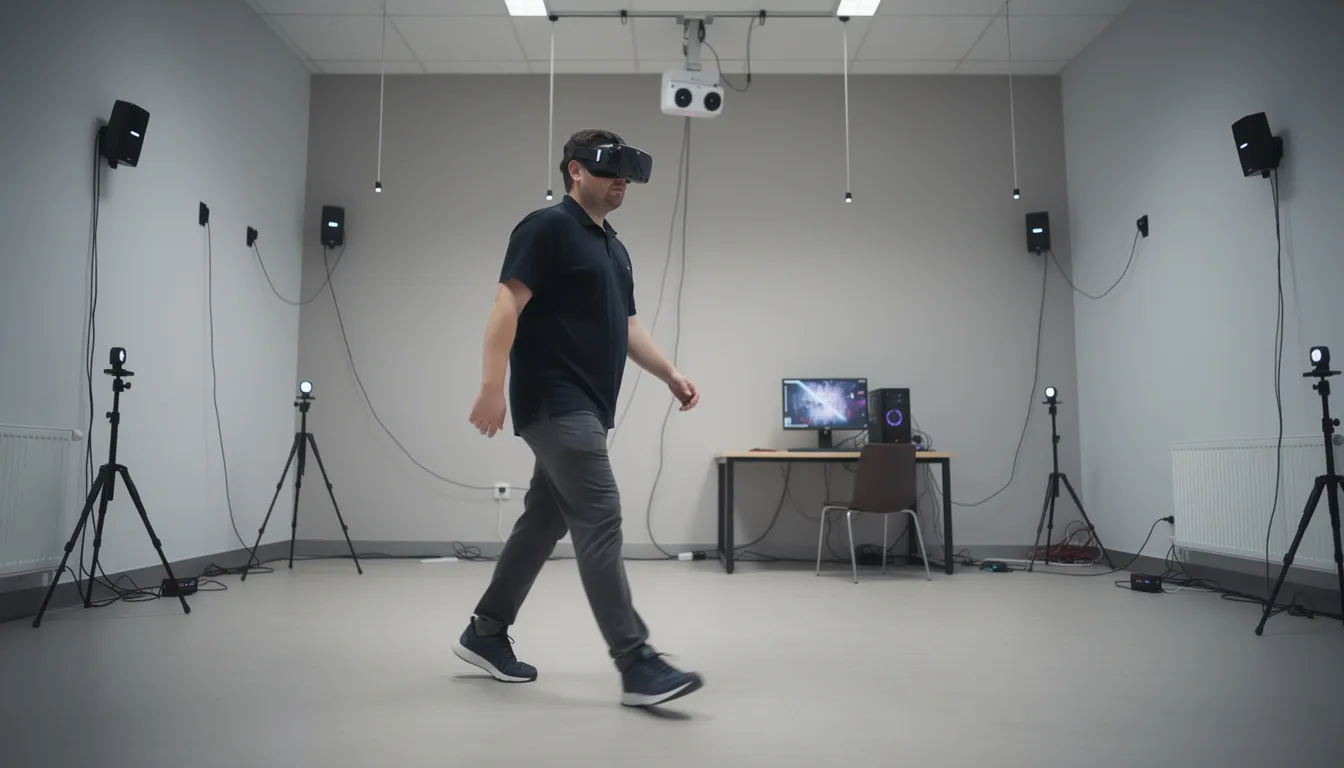
HTC Vive represents a comprehensive virtual reality ecosystem that launched with the original Vive on April 5, 2016—the result of a partnership between Taiwanese manufacturer HTC and Valve, creator of the Steam gaming platform. This collaboration produced the first consumer VR headset featuring sensor-based, room-scale tracking that let users move freely within a 15 by 15 foot space.
Current VIVE product lines as of 2025:
- VIVE Pro Series (Pro, Pro 2, Pro 2 Full Kit) — Wired PCVR for enthusiasts and enterprise
- VIVE Focus Series (Focus, Focus 3, Focus Vision) — Standalone headsets primarily for business
- VIVE XR Elite — Convertible MR/VR for power users and developers
- VIVE Cosmos Series — Inside-out tracked PCVR (transitional, now aging)
- VIVE Flow — Lightweight VR glasses for wellness and media
Around 2019–2020, the company shifted strategic focus from purely consumer VR towards enterprise applications. This pivot brought specialised features for training simulations, design visualisation, and multi-user experiences—though HTC continues selling enthusiast-grade PC VR gear through 2025.
The ecosystem unifies through several key elements:
- SteamVR compatibility across PCVR models
- VIVEPORT (VIVEPORT is HTC’s app store and subscription service for VR content) subscription service for apps and games
- Hardware add-ons including VIVE tracker devices, VIVE facial tracker, and VIVE wireless adapter
- Development support through Unity and Unreal Engine integration
Next, let’s look at the current VIVE headset models available in 2025.
Key VIVE headset models in 2025
Understanding the current lineup helps you quickly narrow down which device fits your needs. Here’s a model-by-model orientation:
The VIVE Pro (VP) stands out as a professional-grade VR headset, offering a high-resolution display, ergonomic comfort, and immersive audio capabilities. It is well-suited for industry applications such as design, architecture, and simulation, making it a premium solution for detailed and realistic experiences.
Additionally, VIVE headsets are compatible with advanced accessories such as facial and body trackers. These features, often discussed in ‘words’ by competitors, enhance realism, interactivity, and immersion in both gaming and professional applications.
VIVE Pro 2 (2021)
- HTC’s flagship PCVR headset with 5K-class resolution (4896 × 2448 combined)
- The high-resolution display and wide field of view allow users to capture every moment in stunning detail, enhancing immersion and engagement in virtual experiences.
- Sold as headset-only or Full Kit with base stations and controllers
- Primary market: sim racing, VR arcades, professional visualization
VIVE Pro (2018)
- Still found in labs and enterprises as a lower-cost professional option
- AMOLED displays with rich contrast and strong integrated audio
- Excellent value on the used market for budget-conscious enthusiasts
VIVE XR Elite (CES 2023)
- Convertible mixed reality headset with pancake lenses
- High-resolution color passthrough for MR (mixed reality) applications
- Compact form factor with glasses-style and full headstrap modes
VIVE Focus 3 (2021)
- Standalone enterprise headset powered by Snapdragon XR2
- Inside-out tracking, business features, swappable batteries
- Device management and kiosk modes for commercial deployments
VIVE Focus Vision (2024)
- Mixed reality focus with eye-tracking support
- DisplayPort PCVR mode for hybrid workflows
- Bridges gaming and enterprise use cases
VIVE Cosmos / Cosmos Elite
- Inside-out tracking (Cosmos) or SteamVR hybrid (Cosmos Elite)
- PCVR-focused with flip-up visor design
- Now considered transitional—aging but functional for SteamVR games
VIVE Flow (2021)
- Ultra-lightweight VR glasses for relaxation and media
- Pairs with smartphone for power and connection
- Limited gaming capability, focused on wellness apps
Legacy note: The original 2016 HTC Vive and 2018 Viveport bundles remain supported by SteamVR but are effectively legacy hardware, found mainly on the used market. They still work for basic VR experiences at entry-level prices.
Consumer availability varies by model. Focus 3 primarily ships as business-only SKUs, while Pro 2, XR Elite, and Flow are purchasable through VIVE sites in Australia, the US, and the EU regions.
Ready to dive deeper? Next, we’ll explore the VIVE Pro 2 and Pro Series for high-end PC VR.
VIVE Pro 2 and Pro Series: High-end PC VR
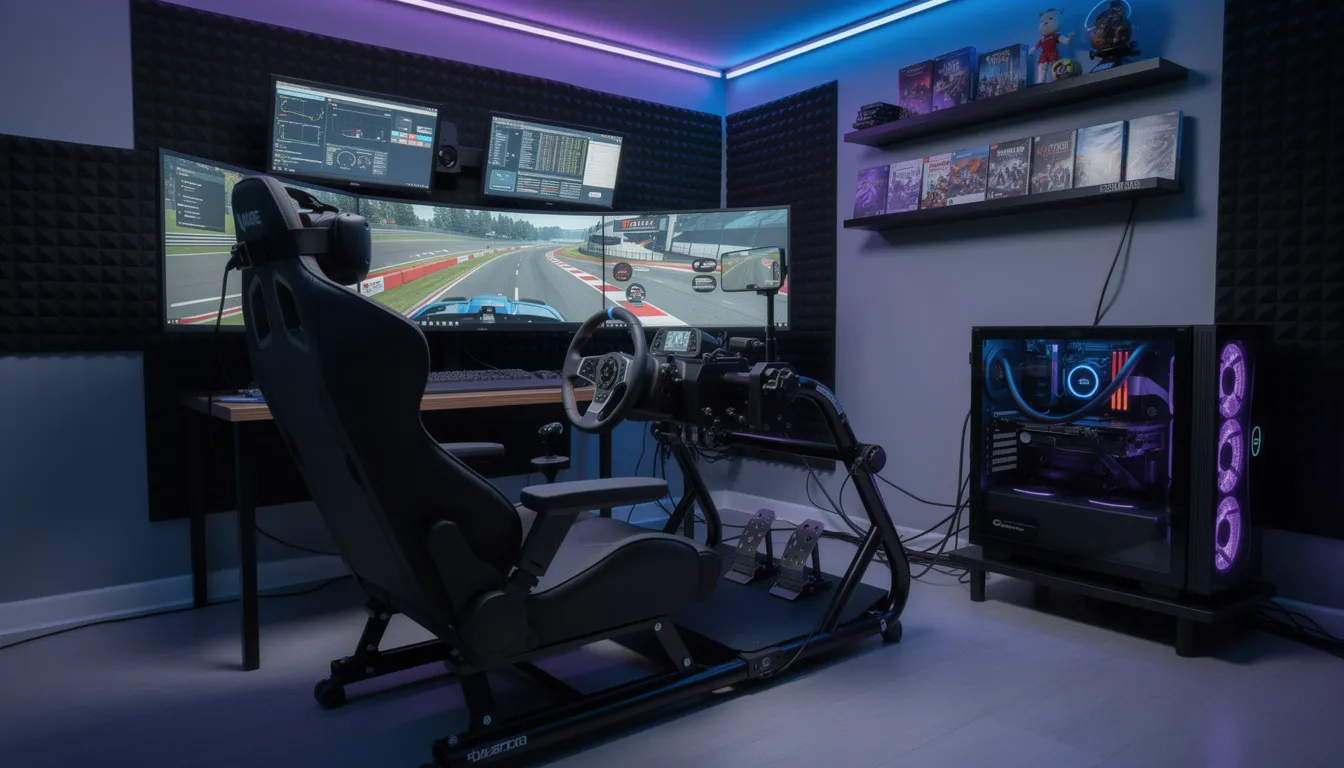
The VIVE Pro 2 stands as HTC’s flagship tethered PCVR headset, purpose-built for sim racers, VR arcades, and professional visualisation workflows. If you demand the best experience from your PC VR setup, this is where HTC puts its premium hardware.
“Ben, a VIVE Pro 2 user, shares: ‘The high-quality visuals are stunning, and the comfort of the headset lets me stay immersed in virtual reality for hours. The experience feels incredibly real and engaging.'”
Core specifications
- High-resolution display: 4896 × 2448 combined pixel count delivers 5K-class visuals
- 120 Hz refresh rate: Smooth motion critical for fast-paced games and reducing motion sickness
- 120° horizontal FOV: Wide view reduces the “looking through binoculars” effect
- SteamVR base station tracking: sub-millimetre precision with 6DoF support
- Room-scale coverage: Up to 10m × 10m with four Base Station 2.0 units
Headset-only vs Full Kit
The Pro 2 sells in two configurations:
- Headset-only ($1200 AUD typical) — For users upgrading from existing Vive/Index setups
- Full Kit ($2,200 AUD typical) — Includes two controllers and two external base stations. The base stations and controllers need to be installed in your play area, and proper installation is essential for optimal tracking and performance.
Kit pricing sits at the premium end compared with Meta’s ecosystem, but you’re paying for tracking precision that inside-out systems can’t match.
Backward compatibility
- Works with legacy VIVE controllers and original 1.0 base stations
- Full support for Valve Index Controllers via SteamVR
- Compatible with VIVE tracker 3.0 for full-body tracking
- Supports VIVE facial tracker for avatar expression capture
- VIVE wireless adapter compatible for untethered PCVR at up to 3264 × 1632 @ 90 Hz
Pro-grade audio
The integrated headphones carry Hi-Res certification with 3D spatial sound. Dual mics feature active noise cancellation, Alert Mode (lets environmental sound through), and Conversation Mode for quick communication without removing the headset.
Typical use-cases
- CAD/BIM visualization for architecture and engineering
- Enterprise training rooms and simulations
- Location-based entertainment venues
- Sim rigs with full-body tracking setups
- Esports VR competitions requiring precise tracking
Next, let’s explore VIVE’s standalone and mixed reality headsets for untethered and business-focused experiences.
Standalone and mixed reality: VIVE Focus Series & XR Elite
HTC’s standalone and mixed reality headsets answer the demand for untethered experiences without sacrificing enterprise-grade features. Unlike Quest 3’s consumer focus, these devices emphasise business tools, device management, and PCVR streaming capabilities.
VIVE Focus 3
Announced in mid-2021, the Focus 3 remains central to HTC’s enterprise catalogue heading into 2025.
Key features:
- All-in-one standalone operation—no PC required for basic use
- Snapdragon XR2 power delivers 4896 × 2448 combined resolution class
- Inside-out tracking via dual cameras eliminates the need for external base stations.
- Business-specific features: Kiosk Mode, enterprise device management, hot-swappable batteries
- Designed for corporate training, simulation, and remote collaboration apps
The device excels in scenarios where quick deployment matters—think trade show demos, onboarding sessions, or distributed training programmes where IT can manage hundreds of headsets remotely.
VIVE Focus Vision
The 2024-focused VIVE Focus Vision pushes mixed reality capabilities further:
- Eye-tracking integration for foveated rendering and analytics
- DisplayPort PCVR mode connects to gaming PCs when needed
- Bridges pure enterprise and gaming use cases
- Supports trackers for expanded full-body tracking experiences
- High-resolution passthrough enables productive mixed reality workflows
VIVE XR Elite
Revealed at CES (Consumer Electronics Show) in January 2023, the XR Elite targets power users and developers with its convertible design philosophy.
Standout features:
- Convertible form factor: Full headstrap for extended sessions, or lightweight glasses mode for quick demos
- Pancake lens technology: Significantly reduces headset depth while maintaining optical quality
- High-resolution color passthrough: Enables productive mixed reality unlike older VR-only designs
- PCVR streaming: Connect via USB-C or Wi-Fi for SteamVR games, similar to Quest 3’s Air Link
- Compact storage: Glasses mode fits in a small carrying case
Integration with ecosystem
All standalone VIVE units connect to VIVEPORT for content, support enterprise device management platforms, and work with common XR development workflows in Unity and Unreal Engine through VIVE’s OpenXR implementation (OpenXR is an open standard for VR/AR software compatibility across devices).
Ready to see how VIVE’s niche and transitional headsets fit in? Let’s move on to the VIVE Flow and Cosmos Series.
VIVE Flow and Cosmos Series: Niche and transitional options
These headsets serve narrower audiences or represent transitional designs between older inside-out technology and modern XR approaches. They’re not for everyone, but they fill specific gaps in the market.
VIVE Flow
The VIVE Flow launched in 2021 as HTC’s ultra-light answer to VR fatigue:
- Form factor: Weighs just 189 g, closer to sunglasses than traditional headsets
- Primary use: Relaxation apps, meditation, 360° video, simple social experiences
- Power source: Pairs with your smartphone via USB for power and control input
- Portability focus: Fits in a small case, designed for travel and casual use
- Limitations: Not built for high-intensity games; lacks controllers beyond phone input
The Flow works well for wellness-focused users who want VR without the bulk. However, anyone seeking substantial gaming should look elsewhere.
VIVE Cosmos & Cosmos Elite
HTC marketed the Cosmos series starting 2019–2020 as convenient PCVR entry points:
Cosmos (Standard):
- Flip-up visor design for quick transitions to the real world
- Inside-out tracking via six cameras—no external sensors required
- Lower tracking precision than base station systems
- Positioned as plug-and-play PCVR for newcomers
Cosmos Elite:
- Adds SteamVR tracking compatibility via base stations
- Better precision for users wanting an upgrade path from original Vive
- Retained the convenient flip-up design
- Face buttons on controllers provide familiar input options
2025 reality check: By current standards, both Cosmos models show their age. The tracking on the standard Cosmos frustrates many users in demanding games, while the Cosmos Elite faces stiff competition from the superior Pro 2. These remain viable only at significant discounts or on the used market for budget 6DoF SteamVR gameplay.
New buyers in 2025 should carefully compare prices for Pro 2 and XR Elite, which often deliver substantially better optics and software support for modest premiums over discounted Cosmos stock.
Now that you know the headset options, let’s see what sets VIVE apart in tracking, comfort, and audio.
Tracking, audio, and comfort: What sets VIVE apart
VIVE headsets distinguish themselves through tracking accuracy that professionals trust, audio quality that eliminates separate headphone needs, and comfort features designed for extended sessions. These aren’t marketing buzzwords—they represent tangible differences in the development process of VIVE hardware.
Tracking precision
SteamVR Base Stations 1.0 vs 2.0:
Base Station 1.0 vs Base Station 2.0
Base Station 1.0
- Max tracking area: 5m × 5m
- Max stations: 2
- Sync method: Optical
- Best for: Home use
Base Station 2.0
- Max tracking area: 10m × 10m
- Max stations: 4
- Sync method: Radio
- Best for: Multi-user, large spaces
- Sub-millimeter tracking precision enables motion capture, room-scale arcades, and industrial training applications
- Base station systems track the headset and controllers using photodiode arrays detecting swept laser pulses
- This outside-in approach avoids occlusion issues common in camera-based inside-out systems
- The trigger response and positional accuracy satisfy professional simulation requirements
Robotics researchers have praised Lighthouse tracking for enabling low-cost, high-fidelity pose estimation without proprietary software dependencies—a testament to its precision.
Comfort for long sessions
- Adjustable IPD: Physical adjustment matches your eye spacing for clarity
- Enlarged face gasket: Pro series offers 24% larger surface area than original Vive, distributing pressure more evenly
- Weight distribution: Crown-mounted strap design shifts weight from the face to the top of the head
- Glasses compatibility: Sufficient eye relief accommodates most prescription frames
- Padding quality: Memory foam and replaceable gaskets maintain hygiene in shared-use scenarios
These features matter enormously during 1–2 hour sessions. Poor comfort creates fatigue that no amount of graphics quality can overcome.
Audio that works
Pro Series integrated audio:
- Hi-Res certified on-ear headphones deliver 3D spatial sound
- Dual microphones with active noise cancellation
- Alert Mode: Lets environmental sounds through when needed
- Conversation Mode: Quick muting for real-world communication
Integrated audio eliminates cable management headaches and provides consistent quality across every user—crucial in enterprise and arcade setups where separate headphones create maintenance burdens.
Now that we’ve covered accessories, let’s review what you’ll need to set up and run a VIVE headset.
VIVE accessories and ecosystem (Trackers, Wireless, Viveport)
HTC’s accessory ecosystem creates a major differentiator for advanced users and businesses. These add-ons extend capabilities far beyond what standalone headsets offer.
VIVE Tracker 3.0
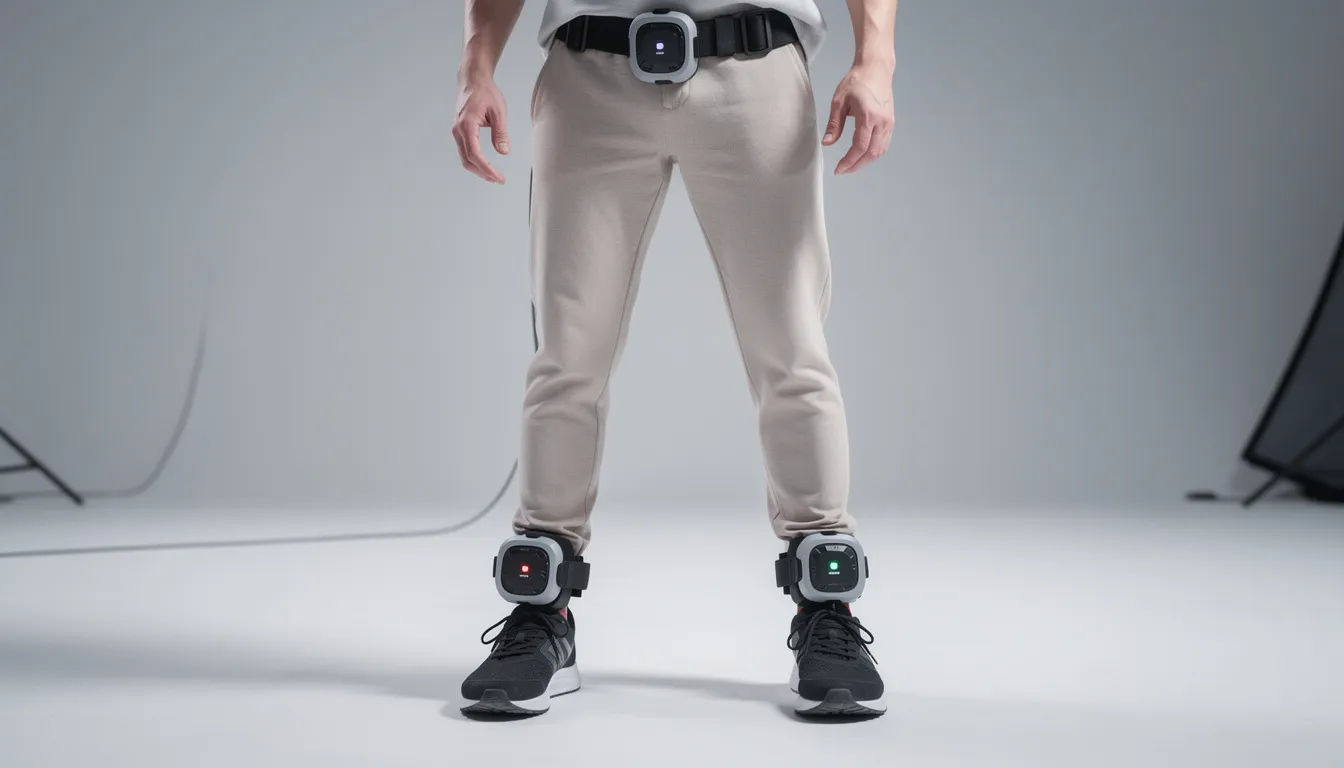
The VIVE tracker enables tracking of arbitrary objects within your VR space:
Use cases:
-
Full body tracking for VRChat, social VR, and avatar-driven content
-
Sports science motion capture at a fraction of traditional mocap costs
-
Mapping real-world props (guns, tools, sports equipment) into virtual environments
-
Industrial training where physical object interaction matters
Typical setups:
-
3 trackers: Waist + feet for basic full-body tracking
-
5-7 trackers: Full body + elbows/knees for maximum fidelity
-
Requires base station headsets (Pro 2, original Vive, Cosmos Elite) for operation
VIVE Facial Tracker
This accessory captures lower face and mouth movements in real time:
-
Attaches to compatible PCVR headsets (Pro, Pro 2, original Vive class)
-
Improves avatar expressions dramatically in social VR platforms
-
Valuable for training simulations requiring realistic human interaction
-
Creates more engaging immersive experiences in collaborative environments
VIVE Wireless Adapter
Intel WiGig technology delivers low-latency cable-free PCVR:
Specifications:
-
Supports original Vive, Vive Pro, and Pro 2 headsets
-
Resolution caps at 3264 × 1632 @ 90 Hz for Pro series
-
Requires PCIe card installation and clear line-of-sight to transmitter
-
Battery pack worn on waist or clipped to clothing
Best scenarios:
-
Multi-user free-roam VR experiences
-
Untethered room scale without cable tangles
-
Location-based entertainment where safety matters
VIVEPORT and VIVEPORT Infinity
VIVEPORT (VIVEPORT is HTC’s app store and subscription service for VR content) serves as HTC’s content platform with subscription options:
-
VIVEPORT Infinity: Subscription offering unlimited access to curated VR games, apps, and training titles
-
Works across VIVE headsets and extends to some non-VIVE devices
-
Enterprise bundles occasionally include limited-time Infinity subscriptions
-
Complements Steam’s VR library rather than replacing it
The platform particularly benefits enterprise users seeking ready-made training content without individual app purchases.
Now that we’ve covered accessories, let’s review what you’ll need to set up and run a VIVE headset.
PC requirements, setup, and compatibility
Your Pro 2 or Cosmos headset is only as good as the PC powering it. Underpowered hardware creates stuttering, latency, and motion sickness—the opposite of what you’re paying premium prices to achieve.
Minimum and recommended specifications
PC Requirements for VIVE Pro 2 (120Hz)
Minimum Requirements
- CPU: Intel Core i5 / Ryzen 5
- GPU: RTX 2060 / RX 5700
- RAM: 16 GB
- Display Output: DisplayPort 1.2
- USB: USB 3.0
- Operating System: Windows 10 (64-bit)
Recommended Requirements (Pro 2 @ 120Hz)
- CPU: Intel Core i7 / Ryzen 7
- GPU: RTX 3060 Ti–4070 or better
- RAM: 32 GB
- Display Output: DisplayPort 1.4
- USB: USB 3.0+
- Operating System: Windows 11 (64-bit)
Pushing 5K resolution at 120 Hz demands serious graphics power. Budget accordingly—the headset investment means little if your GPU can’t deliver smooth frames.
Room setup essentials
-
Base station placement:
-
Wall mounting provides stability and optimal coverage angles
-
Tripods work but require careful positioning to avoid vibration
-
Avoid reflective surfaces (mirrors, large windows, glossy floors) that confuse laser tracking
-
Position stations above head height, angled downward at 30-45 degrees
-
-
SteamVR room setup:
-
Minimum 2m × 2m for room-scale experiences
-
5m × 5m provides comfortable movement for most games
-
Calibrate IPD before long sessions using the physical adjustment dial
-
Run room setup whenever you move base stations
-
-
Current setup tip: Mark your base station positions with tape if using tripods. Consistency between sessions prevents recalibration headaches.
Development and deployment compatibility
Supported platforms:
-
Native SteamVR integration
-
OpenXR runtime support (OpenXR is an open standard for VR/AR software compatibility across devices)
-
Unreal Engine 4/5 with SteamVR plugin
-
Unity with VIVE OpenXR package
-
Enterprise device management platforms for Focus series deployments
-
Kiosk modes for public-facing installations
Projects built in major engines deploy to VIVE hardware without significant platform-specific work—a detail that matters during the development process for studios targeting multiple headsets.
Next, let’s see how VIVE compares to other leading VR headsets in 2025.
How VIVE compares to alternatives in 2025
In 2025’s VR landscape, Meta Quest 3 dominates mainstream attention, while Valve Index (ageing gracefully since 2019), Pimax’s wide-FOV headsets, and Bigscreen Beyond’s ultra-light design create competition at various price points.
VIVE Pro 2 vs Valve Index
VIVE Pro 2 vs Valve Index
VIVE Pro 2
- Resolution: 4896 × 2448
- Refresh rate: 120 Hz
- Lens type: Fresnel
- Audio: Integrated Hi-Res
- Release year: 2021
Valve Index
- Resolution: 2880 × 1600
- Refresh rate: 144 Hz
- Lens type: Fresnel
- Audio: Integrated BMR drivers
- Release year: 2019
Pro 2 offers higher resolution and more modern panels. Index counters with a slightly higher refresh rate, legendary comfort, and superior audio that many users still prefer. The Index shows its age but remains competitive for pure gaming.
VIVE XR Elite / Focus 3 vs Meta Quest 3
-
VIVE delivers stronger enterprise features, device management, and business support
-
Quest 3 wins on mainstream gaming value, content library size, and price
-
XR Elite’s PCVR streaming quality competes with Quest 3’s Air Link
-
Focus 3’s business focus means sacrifice in gaming content access
Specialty alternatives
-
Pimax headsets: Wide FOV focus (up to 200°) at cost of weight and software quirks
-
Bigscreen Beyond: Ultra-light custom-fit design, limited tracking ecosystem
-
VIVE’s position: More balanced “pro-grade but generalist” approach with proven business ecosystem
Community sentiment
PCVR enthusiasts in 2024–2025 generally view VIVE as “good” rather than dominant for pure gaming. However, the brand remains highly competitive for:
-
Simulation applications requiring precise tracking
-
Multi-user rooms and location-based entertainment
-
Commercial installations needing enterprise support
-
Users requiring trackers for full-body experiences
Decision helper:
-
Prioritize VIVE when you need robust base station tracking, enterprise-grade support, tracker compatibility, or proven business deployment tools
-
Consider alternatives when mainstream gaming content and budget matter more than precision
Now, let’s directly answer the most common question: which VIVE headset should you buy?
Which VIVE headset should you buy?
Choosing the right device comes down to matching your specific use case with the appropriate hardware. Here’s a practical mapping of user types to recommended headsets:
Which VIVE Headset Should You Choose?
Enthusiast PC Gamers / Sim Racers (Powerful GPU)
Recommended headsets:
VIVE Pro 2 Full Kit, or Pro 2 headset-only with Valve Index Controllers and Base Station 2.0
Notes: Expect an investment of approximately $1,200–$1,800 USD total.
Enterprise Training Labs or Multi-User VR Rooms
Recommended headsets:
VIVE Focus 3; Focus Vision for eye tracking and mixed reality; Pro 2 for highest-fidelity tracking.
Notes: Focus 3 and Focus Vision are ideal for untethered use and device management.
Mixed Reality Developers / Power Users
Recommended headsets:
VIVE XR Elite; VIVE Focus Vision
Notes: Both support common development tools and OpenXR.
Casual Media & Relaxation-Focused Users
Recommended headsets:
VIVE Flow; discounted Focus devices
Notes: Quest 3 typically offers better gaming value in this segment.
Before purchasing:
-
Double-check regional pricing between VIVE Australia, US, and EU sites—prices vary significantly
-
Look for bundle offers during holiday sales, including VIVEPORT Infinity trials
-
Verify your play space dimensions match headset requirements
-
Consider available VR content for your target platform
Final consideration: The best headset isn’t always the one with the highest specs—it’s the one that matches your content needs, available space, and budget reality. A Pro 2 means little if you lack the GPU to drive it or the room for a proper room-scale setup.
Whether you’re building a sim racing rig, outfitting a training facility, or exploring mixed reality development, VIVE’s ecosystem offers solutions that competitors struggle to match in tracking precision and enterprise reliability. The key is choosing the right entry point for your specific world of VR.
Check current prices, explore the games and apps available on your target platform, and ensure your current setup can handle your chosen headset before making the investment. The VR landscape evolves quickly, but HTC’s commitment to the enthusiast and enterprise markets means VIVE hardware purchased today will remain supported and capable for years to come.
Special Offers and Where to Buy
Apsis VR has a special offer to provide 6 used HTC Vive Pro headsets full kit for $6,000 + GST. If you want us to come and set it up for you in Melbourne, we can do that for a further $2,500 + GST to ensure everything is setup, configured, train you, and enable you to operate it very quickly.
Please get in touch with us below and one of our team members will get back to you as soon as possible.
